Description
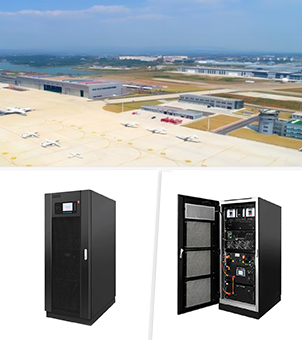
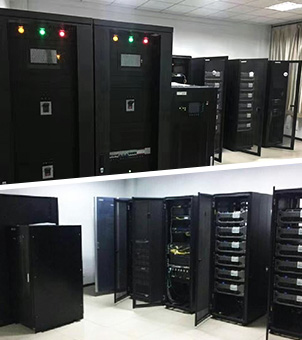
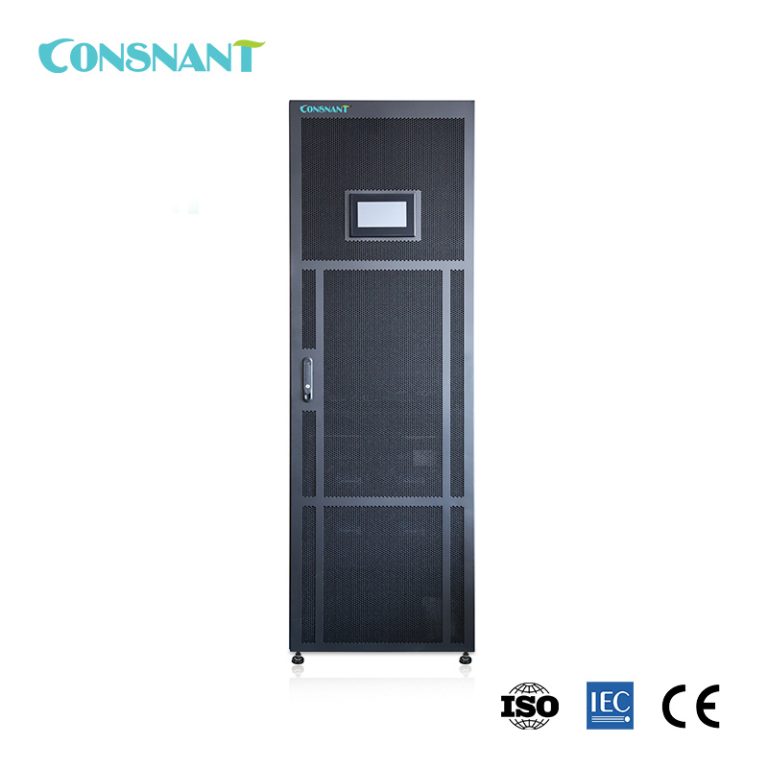
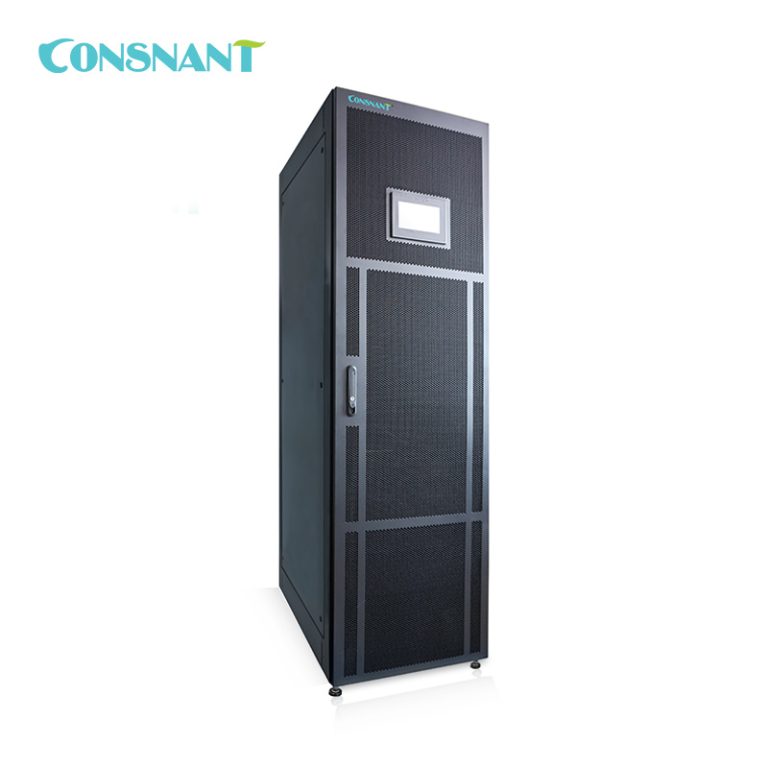
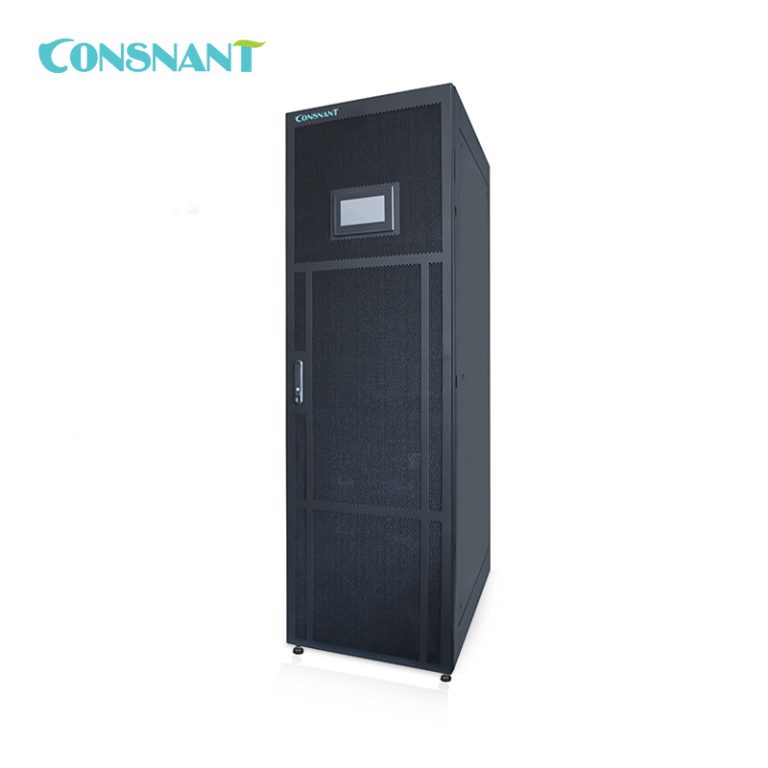
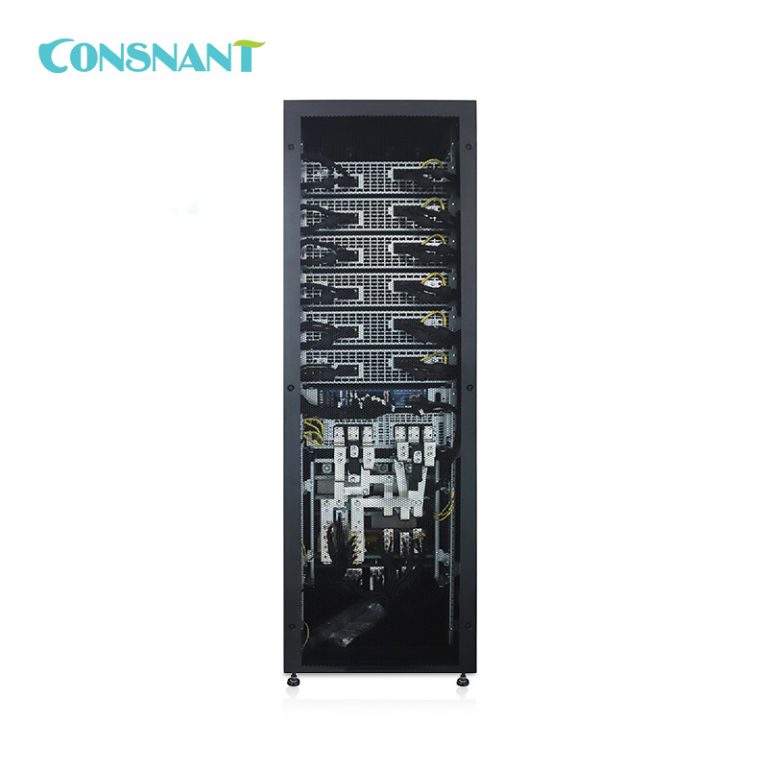
The CNM330 series is a three-phase input and three-phase output high-frequency modular online UPS, with a power range from 200kVA to 600kVA. Adopting advanced modular design and N+X parallel redundancy technology, it is a high-end uninterruptible power supply solution for mission-critical loads such as data centers, communication systems and industrial automated equipment. The system supports flexible capacity expansion by adding power modules on demand and allows phased investment, which effectively reduces upfront costs and perfectly matches the gradual capacity upgrade of user business systems.
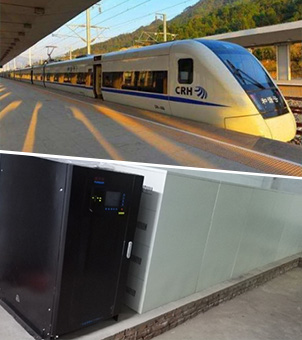
This UPS series comprehensively solves various power quality problems including power blackouts, overvoltage, undervoltage, voltage sag, voltage fluctuation, high-voltage impulse, surge, inrush current, harmonic distortion, frequency drift and electromagnetic interference. It provides pure, stable and uninterrupted power protection for terminal equipment, and is widely applied in computer systems, intelligent automation equipment, communication base stations, data rooms and industrial production equipment.
Functions and Features:
Equipped with full digital control technology, each single power module is only 3U high with ultra-high power density, ensuring compact structure and high space utilization. The standard 19-inch cabinet is adopted, and a customized 2-meter high cabinet is optional to adapt to different room layout requirements. With the mature N+X parallel redundant control system, users can set redundancy levels according to load importance. When configured with more than two redundant modules, the system availability reaches 99.999%, and the designed MTBF (Mean Time Between Failures) is up to 250,000 hours, ensuring extremely high power supply reliability.
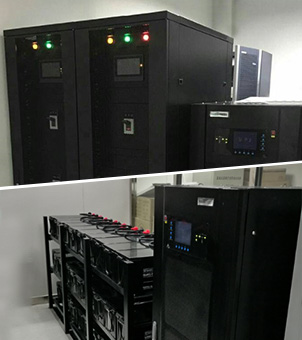
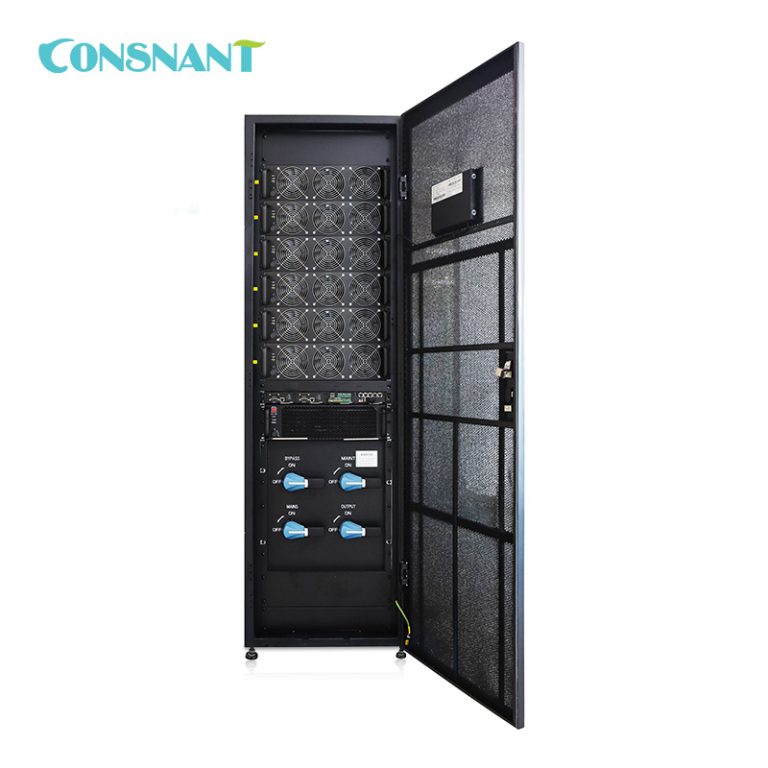
In terms of intelligent operation and safety protection, the UPS is equipped with an extra-large touch LCD screen for intuitive and convenient operation. It supports SNMP remote monitoring and centralized module monitoring to realize unattended intelligent operation. Featuring centralized bypass and common battery bank design, as well as 3-stage intelligent charging technology, the device can automatically adjust charging current according to the connected battery capacity to extend battery service life. Equipped with a standard maintenance bypass switch, it boasts superior MTTR (Mean Time To Repair) and minimal maintenance downtime. EPO (Emergency Power Off) and REPO (Remote Emergency Power Off) functions are integrated to fully guarantee equipment and power consumption safety.
The product supports flexible configuration with optional accessories including isolation transformers, distribution panels, SNMP cards and relay contact boards. Two cabinet configurations are available: the standard configuration consists of a cabinet and a maintenance bypass switch, while the full configuration integrates mains, bypass, maintenance and output switches to meet diverse power distribution system requirements.
The series covers five mainstream models of 200kVA, 300kVA, 400kVA, 500kVA and 600kVA. Based on the 50kVA basic power module, multiple capacity combinations are available to match different load power demands. Meanwhile, the series supports flexible cable entry methods: 200kVA, 300kVA and standard 400kVA models support top cable entry only; 300kVA with optional cable entry cabinet, full-configured 400kVA, 500kVA and 600kVA models support both top and bottom cable entry, which is highly adaptable to various wiring standards of computer rooms.
Model Specifications:
400/500/600kVA (Standard and Full configuration)
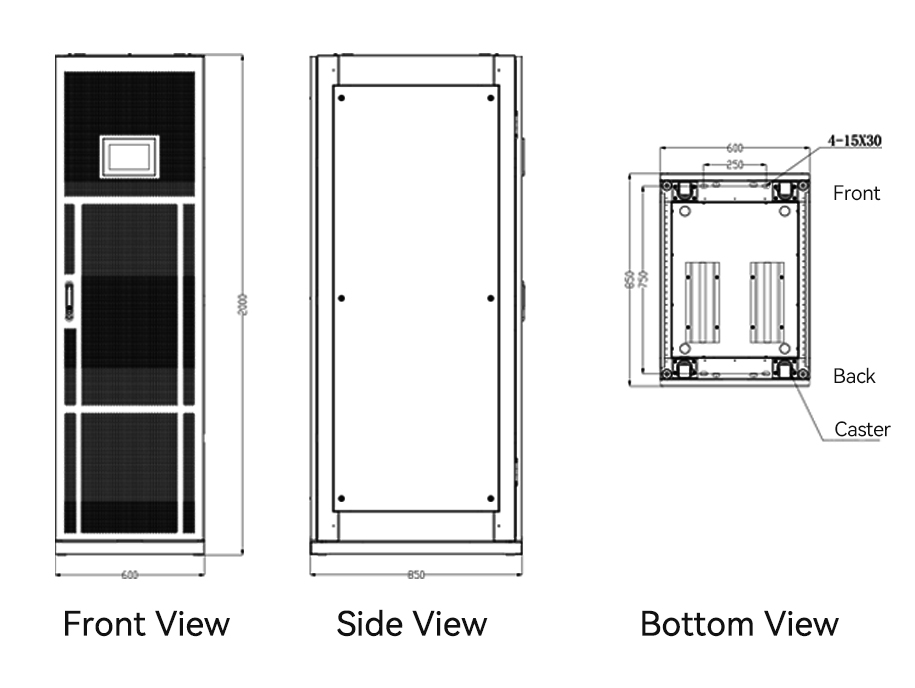
400/500kVA (Full configuration)
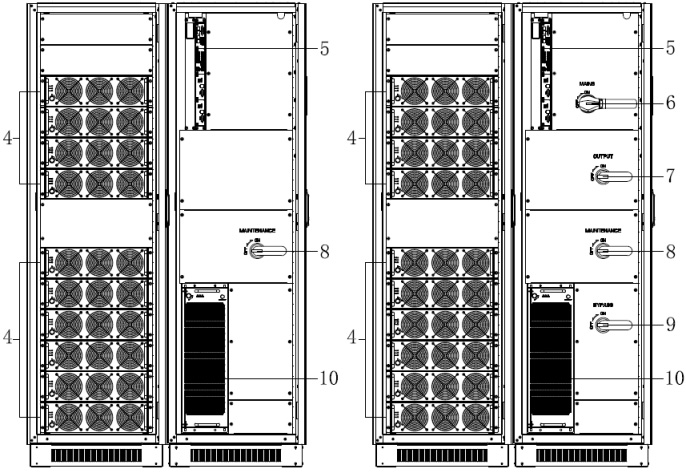
| (1) LCD panel : Display UPS data and status |
| (2) power cabinet : Assembly power module |
| (3) Power distribution cabinet : Assembly control unit, bypass module and switch |
| (4) Power module |
| (5) Control unit |
| (6) Mains switch |
| (7) Output switch |
| (8) Maintenance switch |
| (9) Bypass switch |
| (10) Bypass module |
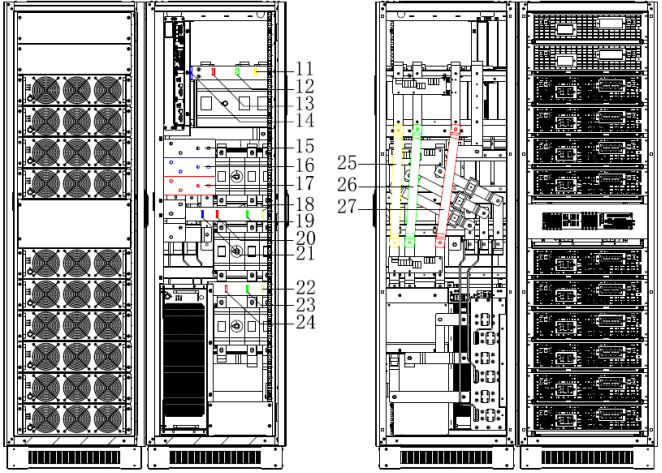
| (11) Mains-A input copper bar |
| (12) Mains-B input copper bar |
| (13) Mains-C input copper bar |
| (14) Input neutral copper bar |
| (15) Battery negative copper bar |
| (16) Battery neutral copper bar |
| (17) Battery positive copper bar |
| (18) Output-A input copper bar |
| (19) Output-B input copper bar |
| (20) Output-C input copper bar |
| (21) Output neutral copper bar |
| (22) Bypass-A input copper bar : Wiring must be used when mains-bypass separation |
| (23) Bypass-B input copper bar : Wiring must be used when mains-bypass separation |
| (24) Bypass-C input copper bar : Wiring must be used when mains-bypass separation |
| (25) Phase A mains-bypass common input connect copper bar |
| (26) Phase B mains-bypass common input connect copper bar |
| (27) Phase C mains-bypass common input connect copper bar |
Control unit
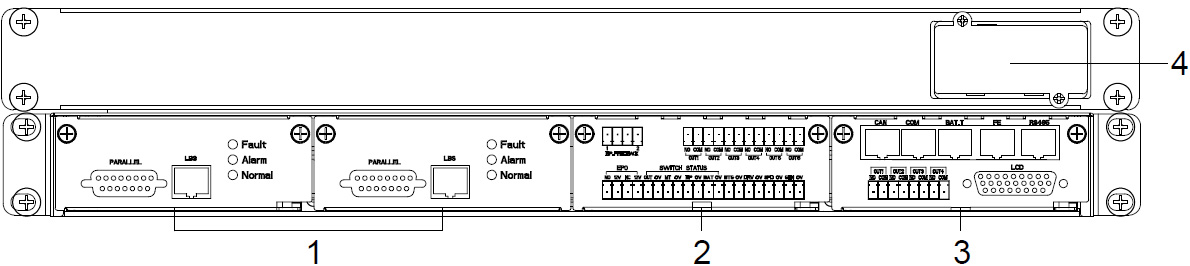
| (1) ECU1/2 : Centralized control unit |
| (2) Dry-contact unit |
| (3) monitor unit |
| (4) Intelligent slot |
ECU unit
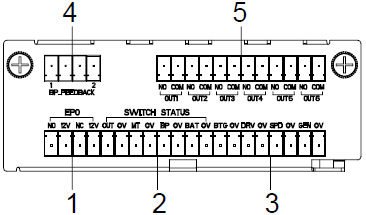
| (1) EPO port |
| (2) SWITCH STATUS |
| (3) The other port |
| (4) BP_FEEDBACK : PIN1_NC, PIN2_NO,PIN4_common |
| (5) Optional dry contacts |
Monitor unit
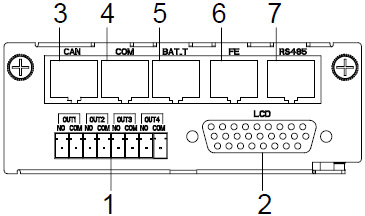
| (1) Input dry contacts |
| (2) LCD port |
| (3) CAN port : BMS port and remote LCD port |
| (4) COM : battery monitor port |
| (5) BAT_T : battery temperature detect port |
| (6) PE |
| (7) RS-485 |
UPS module appearance
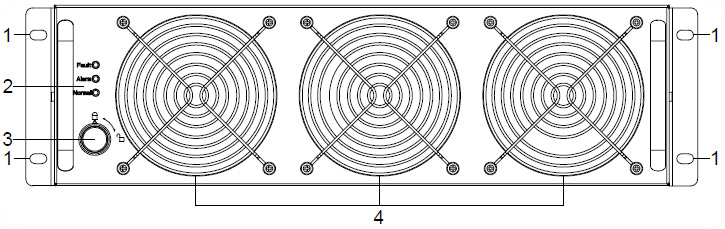
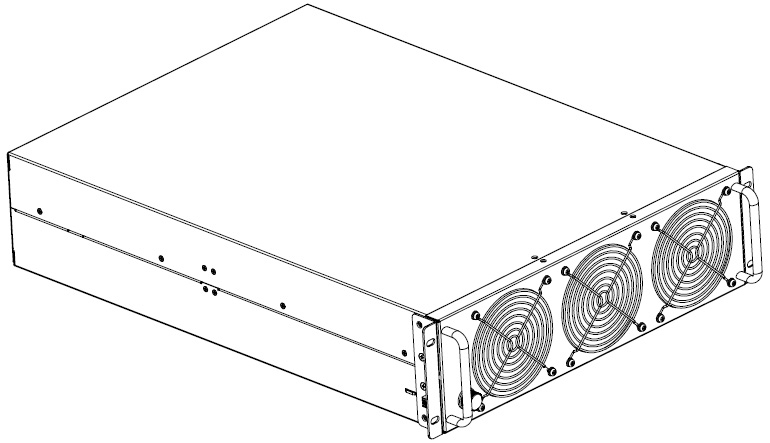
| (1) Module fixed screw |
| (2) LED |
| (3) Module switch |
| (4) Fan |
Product service:
1. Pre-sales consultation; After-sales worry-free.
2. Support ODM and OEM.
3. Online guidance and Technical support.
1.REDUNDANCY
All UPS systems are designed to work continuously during life time of UPS. Thereby minimising failure. The general idea being, the more modules with free and spare capacity, then there is a greater the level of redundancy. For example, if a load is 100KVA and the modular UPS provided is rated at 120KVA UPS populated by 30KVA power module, then the end result will be N+2. By adding further modules then you can increase the redundancy aspect, thereby reducing the possibility of total UPS failure.
2. LOWER COST OF INSTALLATION
Modular UPS can in many instances be more cost effective than installing parallel or scalable UPS systems. For example, if the requirement is for 100KVA with N+1 redundancy, then a modular solution will be 120KVA made up of 6 x 20KVA modules as opposed to 2 x free standing 100KVA UPS systems. The cost of installation will also be lower.
3. LOWEST FLOOR SPACE, COMPARED TO OTHER SCALABLE / PARALLEL SOLUTIONS
Conventional UPS systems take up more space due to the fact they are typically extended horizontally on the floor. The modular UPS typically increases typically vertically in the rack. Thereby using less floor space. Secondly, less UPS batteries need to be used if the conventional UPS has separate battery cabinets.
4. GREATER LEVEL OF EFFICIENCY WITH SCALABLE LOAD
A UPS is generally not working at its best when running at 100% load. With a modular UPS by maintaining a high ratio of load to UPS capability will mean that the UPS is working in its most efficient way. For example, if the load is 60-70KVA, then we would recommend that the UPS if in modular format should be 80KVA with one extra 20KVA module, providing a total of 100KVA.
5. REDUCTION OF FAILURE DURING MAINTENANCE / SUPER-FAST REPLACEMENT (MTTR)
A typical standalone UPS system will go onto bypass during failure or overload etc. The UPS will generally have to be isolated during repair or technical evaluation to assess the unit. Once assessed and problem found on the failed UPS there is time for part replacement, and if part is not available then further time is required when parts are available and sent to site.
With a modular unit, the faulty module is simply removed and replaced with a new system. This action can take literally seconds as the faulty module will removed and replaced during live conditions so there is no loss of power or loss of UPS backup. Many manufacturers of modular UPS systems however, still have a singular point of failure on the system itself and that is by having a singular static switch. If this fails, then the system fails. Power Sonic provide modular UPS systems with static switches built into each module.
6. LOWER COST OF BATTERIES
A Modular UPS will as a general rule of thumb, have a centralised battery which is shared by the modules. With a standalone / parallel UPS there is a need to have 2 x separate batteries covering each UPS, thereby increasing battery costs.
7. LOWER COST OF REPAIR
In the event of catastrophic failure of standalone / Parallel UPS and the system has to be replaced in its entirety due to parts not being available or replacement not being available, compared to catastrophic failure of one module then the costs will typically be 10-20 times in comparison to a single module replacement.
8. GET MORE POWER FROM SAME INFRASTRUCTURE
If, for example, your site is cabled and capable of supporting 2 x 100KVA parallel standalone UPS systems, therefore the load you anticipate putting onto the UPS must not be greater than 100KVA. Otherwise you will not get redundancy, or alternatively you will overload each UPS. With a modular system if you are aiming to get redundancy you will only need to add 1 x additional module to achieve this.
For example, if you require redundancy and have chosen a 20KVA scalable modular system, all you will need to do is add 1 x additional 20KVA module. So, based on the example above against 2 x 100KVA systems you will simply have a 120KVA modular system.
Furthermore, if your site is already capable of being able to support 2 x 100KVA parallel UPS systems, then a modular UPS will enable you to have full usage of the infrastructure and enable power growth up to 200KVA rather than 100KVA full load scenario.
9. LOWER COST OF OWNERSHIP OVER LIFETIME
A singular Modular UPS system will simply cost less to run than if 2 x Parallel UPS systems are running at the same time. For example, if the site has 80KVA load and a 100KVA modular system is purchased then the running costs will less than if the site had purchased 2 x 80KVA standalone parallel systems. A standalone solution may cost more than double to run over the lifetime. Depending on your electricity tariffs the UPS company can provide details of how much energy is used in every scenario and cost. We can save your site money. We can also recommend other factors on site such as power factor correction and carbon reduction via carbon off set.
10. DELIVERY, OFFLOADING AND POSITIONING
A standalone or parallel UPS is one unit and can be problematic when delivering on site. They can be very large as well as heavy. This can reduce costs on delivery as well as making sites more accessible.
Monitoring becomes particularly complex when an IT department manages multiple locations. If the operator needs to maintain a clear overview of systems made by different manufacturers, the challenge is even greater. In such cases, cloud solutions, such as MoniUPS from AEG Power Solutions, are invaluable. As the software is hosted in the cloud, there are no installation or maintenance costs. A single interface for all shared UPS systems streamlines configuration significantly and reduces the amount of employee training required.