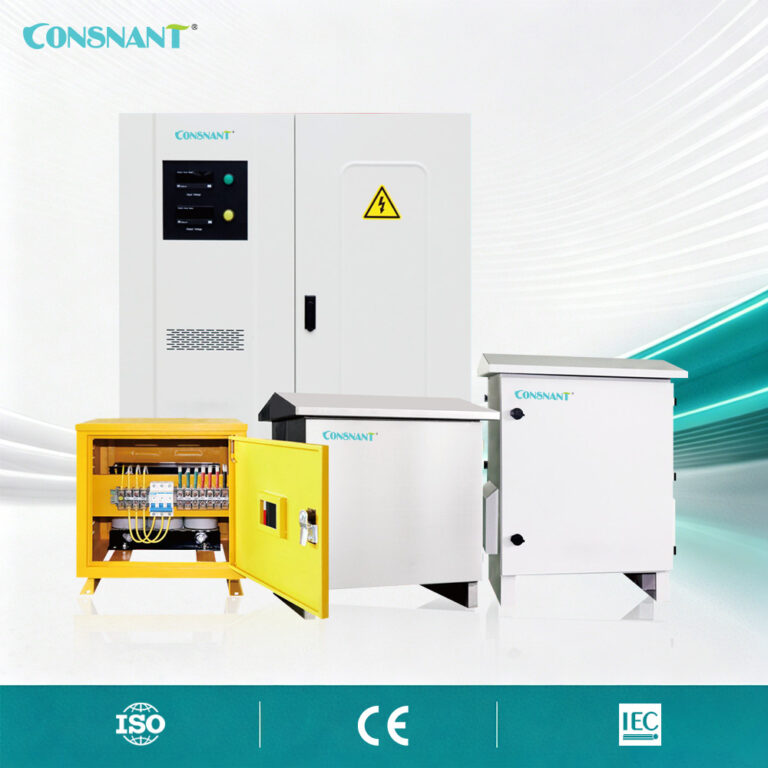
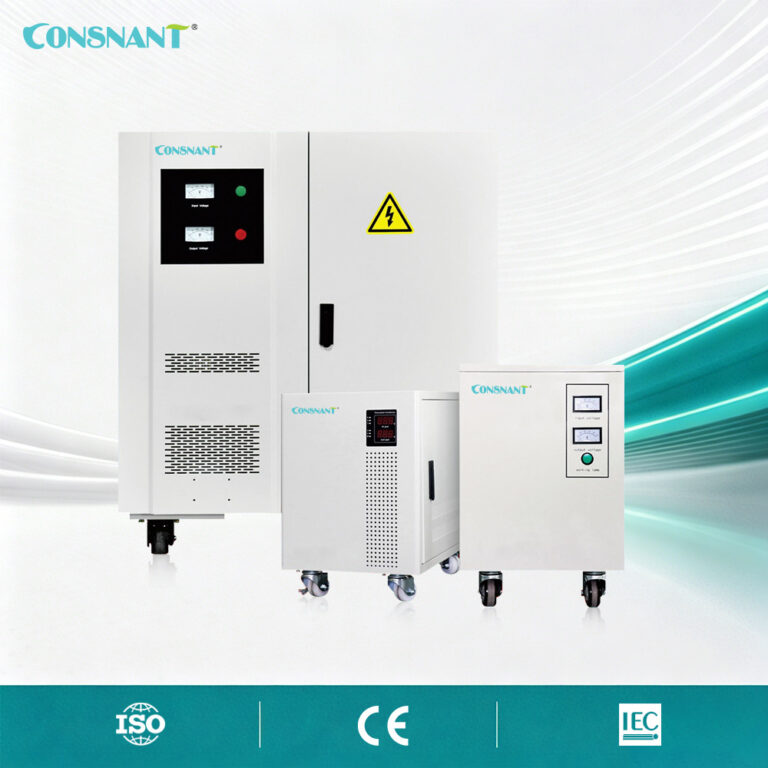
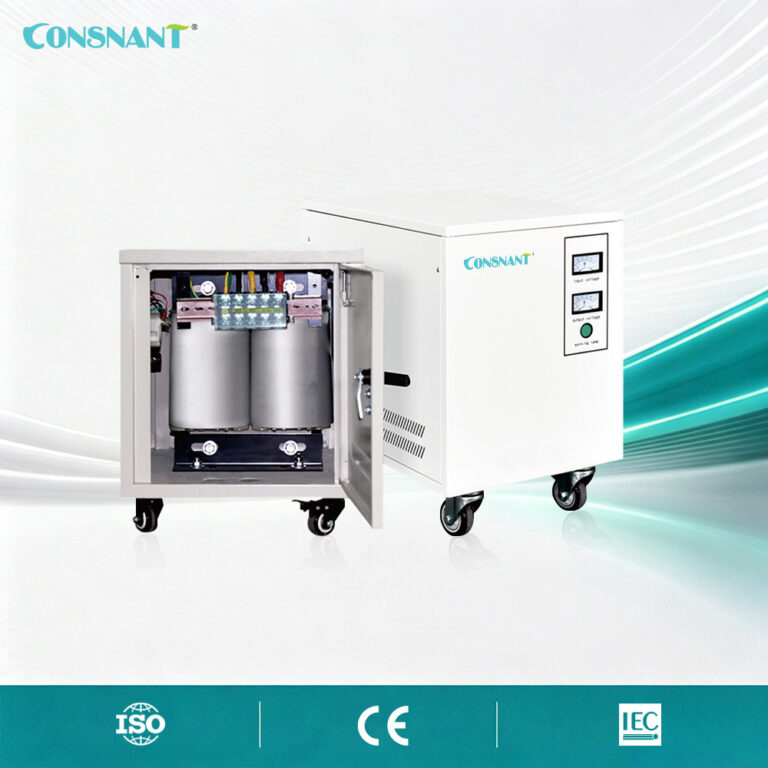
Suppose a factory sends this request: “Please quote an industrial UPS for our production line.” A supplier can respond with a catalogue and a capacity estimate. The plant still has no way to tell whether the proposed system protects the right part of the process.
The better starting point is a marked drawing and a short account of what must happen when mains power is lost. This article shows what belongs in that account, how to use it when comparing quotes, and when the CNI310 or CNI330 product pages become useful.

Replace “keep the line running” with an outage sequence
That phrase can mean several things. The line might need uninterrupted production. It might only need the PLC and operator display to remain available while machinery stops. Or operators may need time to finish an approved sequence before the plant can shut down. Those are different electrical jobs, even though they refer to the same line.
Here is a hypothetical example. A line has a controller, instruments and a motor drive. If the motor is allowed to stop but the controller must remain available, the proposed protected load is not the whole line. If the drive must complete a controlled movement, the design team needs to examine its behavior during that movement. The example illustrates the question; it is not a CONSNANT installation or a design recommendation for any specific factory.
Walk through the first few actions after an outage with production, controls and maintenance staff. Write down what the operator sees, which automatic actions follow and what event allows a restart. The plant’s approved safety and operating procedures decide the required state. Then mark each circuit on the current single-line drawing. The UPS boundary should follow those agreed circuits, not a broad label such as “critical equipment.”
Give every load value a source
A supplier receiving one total kVA figure cannot see whether it came from nameplates, measurements or an estimate. That distinction matters. Nameplates describe connected equipment; one measurement describes one operating moment. Neither, by itself, shows every combination of normal load, startup and process change the UPS may encounter.
Use a tagged load schedule. For each protected circuit, record the quantity, voltage, phase, frequency and rated kW or kVA. Add power factor when known. Show what operates together, how equipment starts and whether a drive or rectifier changes demand during the process. For measurements, note which machines were running and when the reading was taken. For estimates, state the assumption. Leave unavailable values visibly open.
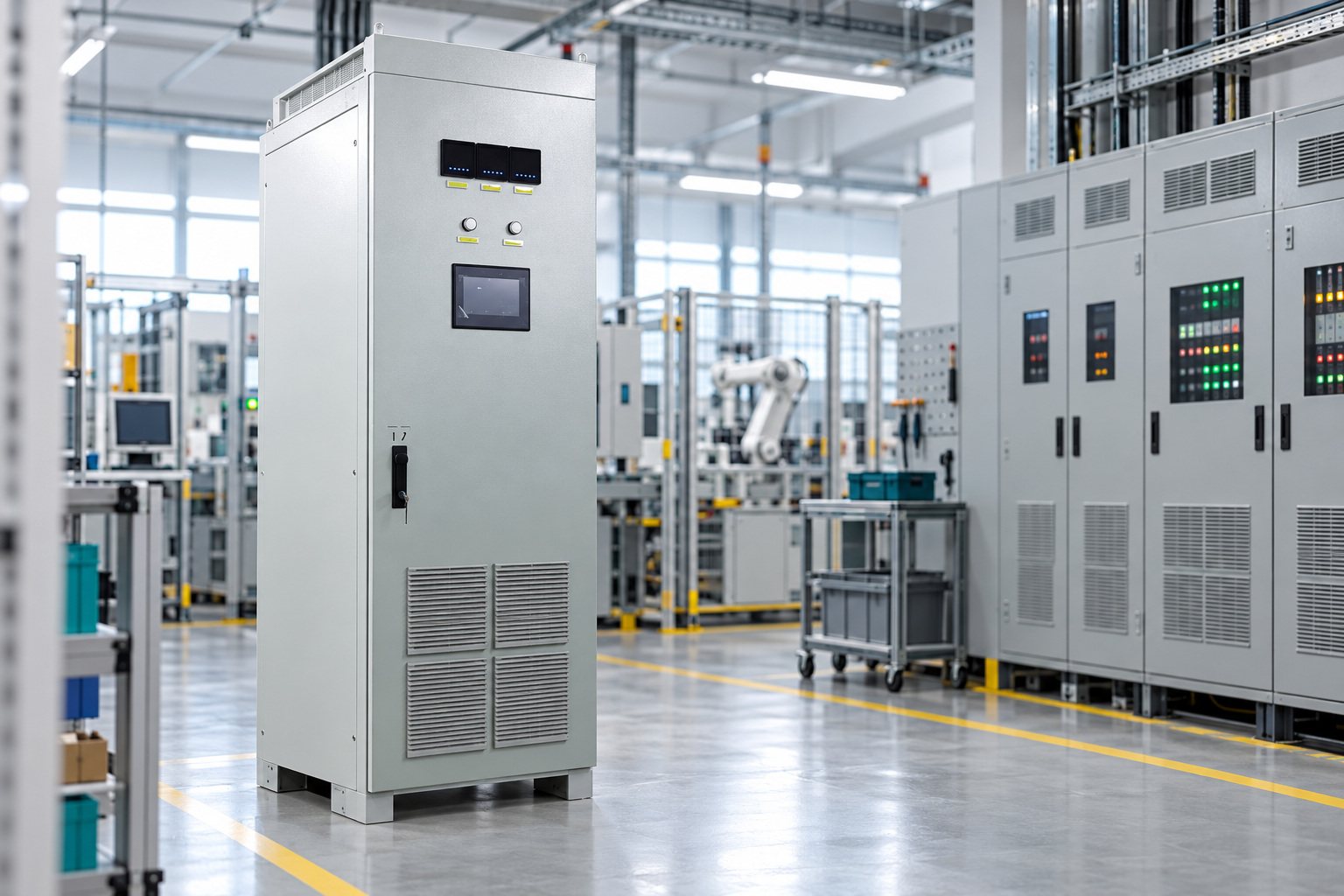
This is a practical distinction, not paperwork for its own sake. If the drive’s starting current is unknown, one bidder might include a large allowance while another ignores it. The resulting prices would compare two different designs. Ask the equipment or UPS supplier what data is needed to settle that item before approval.
Keep supply phase and protected output phase in different fields. A three-phase factory intake does not tell you whether the selected controls need single-phase output, whether a process load needs three-phase output, or whether separate groups are appropriate. The project engineer must make that distribution decision. The CNI310 and CNI330 output-phase comparison explains the product-family distinction once the circuit map is known.
Say what the battery period is for
“Backup for a while” cannot be checked. Neither can a duration written without the load it supports. State what the system is expected to bridge: a brief interruption, generator start and transfer, or the time needed for an approved stop. Name the event that ends battery operation and list the circuits that remain energized until then.
If a generator is part of the plan, send the supplier the intended transfer sequence. The plant’s electrical team should verify the generator, transfer equipment and UPS interface. A proposed runtime for controls only cannot be compared directly with a proposal that also supports process equipment. Ask bidders to return the exact load and operating assumptions behind their battery estimate.
The industrial UPS backup-time guide is useful after the protected load has been agreed. Until then, selecting a battery from UPS kVA alone answers the wrong question.
Make room conditions and service access part of the inquiry
Factory sites can differ sharply in the space and electrical connections available. Attach the latest drawing revision and specify input and output voltage, phase, frequency, grounding and downstream distribution. If a drawing is outdated, flag the point that needs a site check. A supplier should know which dimensions and connections are verified before quoting an installation.
Add the room conditions: expected temperature, ventilation, dust or moisture exposure, floor space, cable entry and the route for bringing in the cabinet. Include access for inspection and battery replacement. These are ordinary details that can change whether a proposed cabinet is practical.
Now consider service. Must the selected circuits stay supplied while the UPS is maintained? If so, state the plant’s procedure and ask how bypass and isolation will work with it. Specify the alarm and status points operators need and where those signals must be sent. CONSNANT’s industrial UPS system solution outlines the system context, but the site procedure decides the final arrangement.
Check the assumptions behind each quotation
When bids arrive, do not begin at the price column. First check whether each supplier priced the same boundary and the same outage behavior. Did both include the same circuits? Did they use the same load for the battery estimate? Is startup behavior accounted for, or left open? Does the proposed output match the distribution drawing? What happens during maintenance?
Ask each bidder to return a brief design basis with its quote:
- protected circuits and required operating state;
- normal and startup load basis, with measured and assumed values identified;
- UPS output arrangement, rated capacity and any allowance for approved future loads;
- battery load and runtime assumptions;
- bypass, monitoring, cabinet and site-condition assumptions;
- exclusions and data required before final engineering approval.
A bid with a smaller UPS may simply have assumed a smaller protected group. A bid with a longer runtime may have used a lighter load. Make those differences visible, resolve them with the suppliers, then compare the proposals. This is also when the plant can decide whether a requested option needs a revised quote rather than discovering it after selection.
Which CONSNANT range should be examined?
The industrial online UPS category lists CNI310 at 10–100 kVA, with three-phase input and single-phase output. It lists CNI330 at 10–300 kVA, with three-phase input and three-phase output. Their published capacity ranges overlap. That makes output requirements a more useful early filter than the preliminary kVA number.
The CNI310 series page and CNI330 series page give the supplier and project team a product-specific starting point. The product knowledge base names automated production equipment and precision testing instruments among manufacturing uses. It also lists RS485/Modbus monitoring for CNI310 and configurable voltage, frequency, battery, charging and cabinet IP options for CNI330. Include any required interface or option in the RFQ and ask the supplier to confirm the exact configuration. The series name alone does not settle those project details.
Conclusion
A useful UPS inquiry lets a supplier see the outage the factory is designing for. It identifies the protected circuits, explains their required behavior, shows where the load numbers came from and sets out the site conditions. The resulting quotes can be checked against the same brief. That is a sounder route to a product family and configuration than selecting by kVA first.
FAQs
Is one meter reading enough to size the UPS?
No. A reading needs its operating context, and the team must still examine startup or process transitions that it may not capture. Keep nameplate, measured and estimated values distinct in the load schedule.
Does every production motor need backup power?
The plant’s process and safety review decides which equipment needs continuity or a controlled stop. A motor’s inclusion follows that operating requirement and a project-specific electrical review.